Production
1931–1936
1940–1942
Engines
1,924 cc Lancia tipo 84 V4 (petrol)


Production
1931–1936
1940–1942
Engines
1,924 cc Lancia tipo 84 V4 (petrol)
Body styles
Bare chassis
4-door, 4-seater saloon
4-door, 6-seater saloon
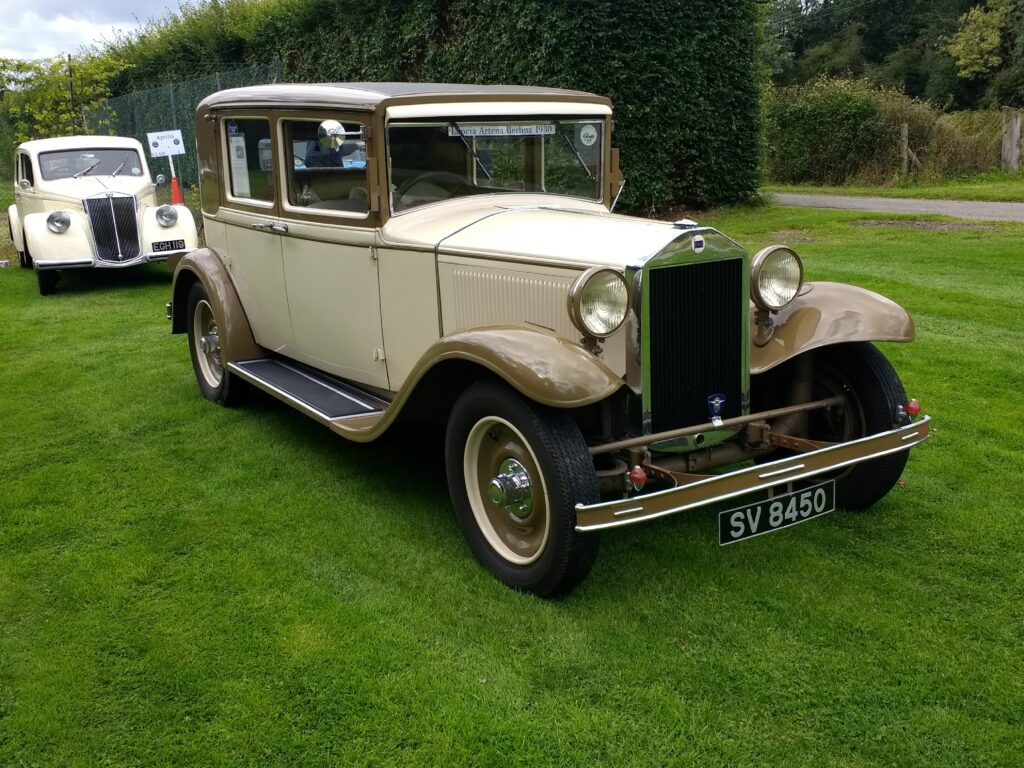

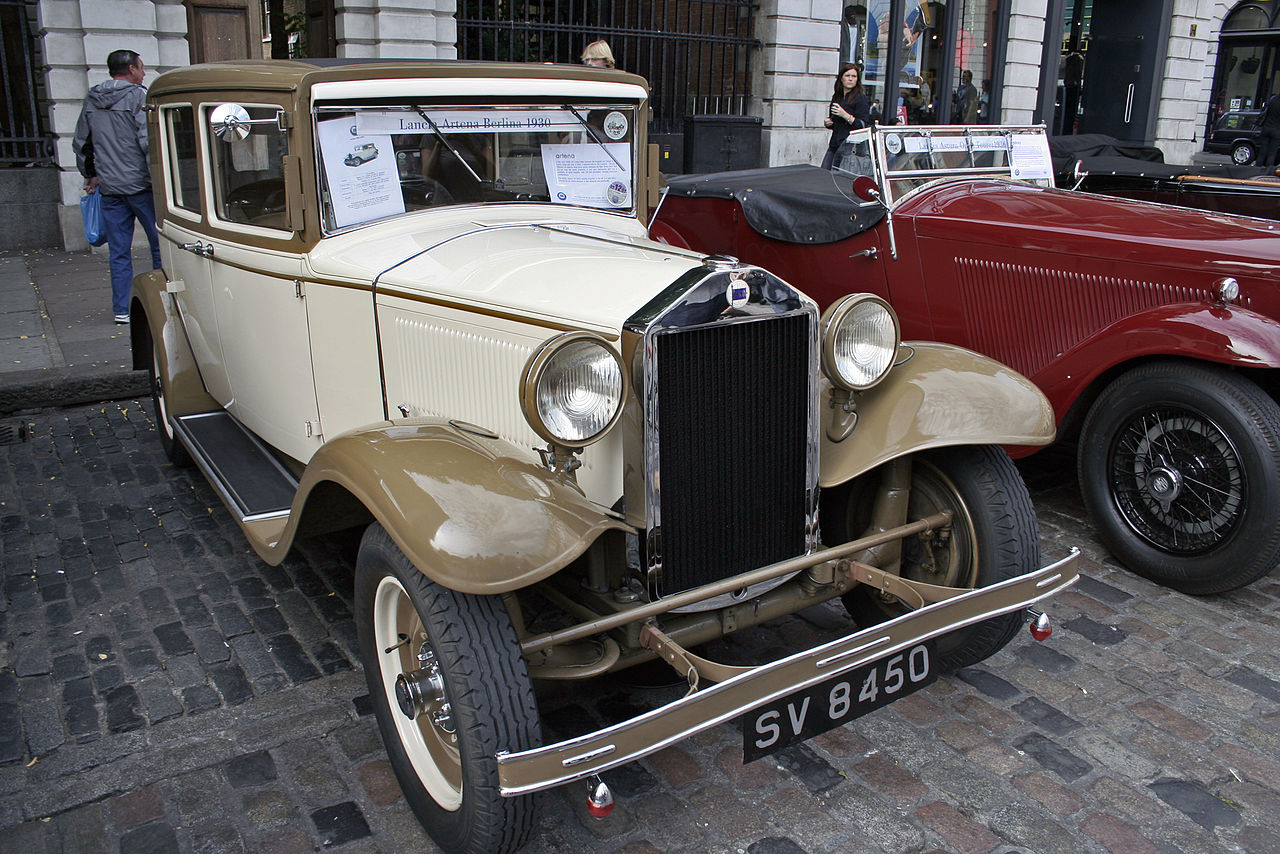
The Lancia Artena was powered by a 2-litre Lancia V4 engine, while chassis and factory bodies were shared with the more luxurious 2.6-litre V8-engined Lancia Astura. Total production amounted to 5,567 examples.
Artena and her sister Astura made their début at the October 1931 Paris Motor Show.[1] Interrupting Lancia’s decade-old tradition of naming its cars with Greek letters, the new model was named after Artena, an ancient town of the pre-Roman Volsci people.
The Lancia Astura was a more powerful and more luxurious version of this car based on the same platform.[2] Besides the engines, main differences between the two cars were the Artena’s Michelin disc wheels instead of the Astura’s Rudge-Whitworth wire wheels, and the Astura’s longer wheelbase.
There were four successive versions of the car. The first series was built between autumn of 1931 through summer of 1932; during the next year the second series was produced, and the third series from Autumn 1933 until the start of 1936.
Lancia offered the Artena and Astura in saloon form only, and left its other body styles to third-party coachbuilders. Coachbuilders like Stabilimenti Farina, Pinin Farina and Carrozzeria Touring built Artena cabriolets, coupés, faux cabriolets, torpedoes and sport saloons. The Dutch coachbuilder B.T. Van Rijswijk has made in 1938 one dropheadcoupe.
Other coachbuilders offered conversions into commercial vehicles, such as vans or ambulances. Viotti made two special Artena mobile studios for the Italian public service broadcaster, EIAR.